
Italian Renaissance Furniture for the Home

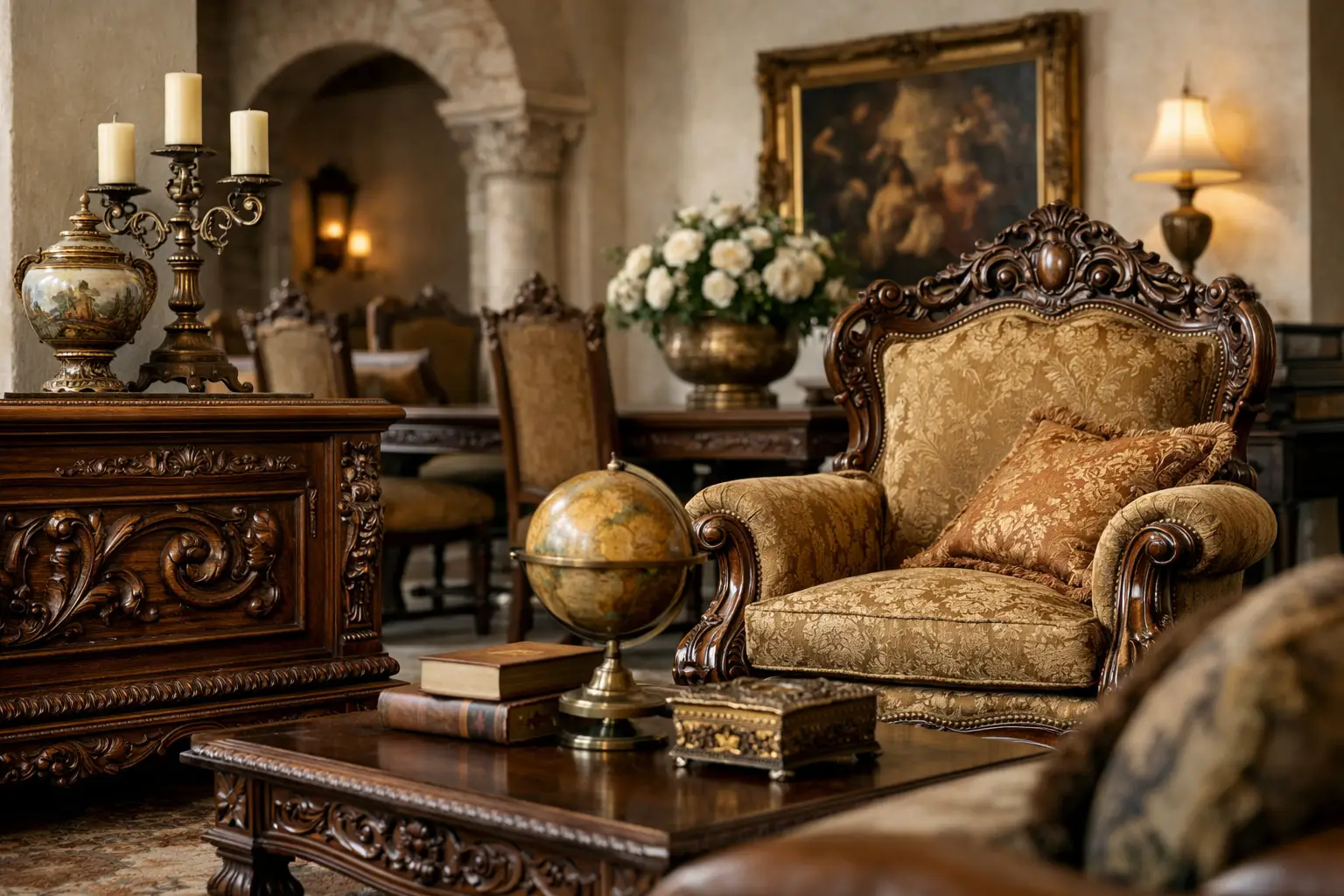
A room with a soaring ceiling, a generous fireplace, and little else can still feel unfinished. What gives it presence is not simply more furniture, but furniture with lineage: a carved walnut table that anchors the room, a high-backed chair with architectural authority, a cabinet that seems to hold the memory of a Florentine palazzo. Italian Renaissance furniture for home brings this sense of cultivated grandeur into a private residence, where every proportion and detail can serve both beauty and daily life.
The Renaissance was an age of revived classical knowledge, powerful patronage, ambitious architecture, and artistic confidence. Its furnishings reflected that spirit. They were designed not to disappear into a room, but to declare that the people within it valued art, learning, ceremony, and craftsmanship. For homeowners who want more than a pleasant arrangement, this is furniture that can make a residence feel composed, personal, and enduring.
What Defines Italian Renaissance Furniture for Home
Italian Renaissance interiors are often confused with later Baroque and Rococo rooms. All three traditions can be richly ornamented, but their character is different. Renaissance furniture is more architectural and disciplined. It looks to antiquity for balance, symmetry, columns, pilasters, arches, carved foliage, and mythological or heraldic imagery. Baroque furniture is more theatrical in motion; Rococo is lighter, curvier, and more playful.
The material language is equally important. Walnut was especially prized for its warm depth and its ability to receive intricate carving. Oak, chestnut, and painted or gilded finishes also appeared, depending on region and household. A true Renaissance-inspired piece should have visual weight, but weight does not mean clumsiness. The finest examples feel measured. Their panels, moldings, legs, and ornament work together like the facade of a noble villa.
The cassone, or marriage chest, remains one of the most recognizable forms from the period. Originally a ceremonial object tied to family alliances and dowries, it can become a magnificent bench, blanket chest, or statement piece at the foot of a bed. Refectories and trestle tables, carved armchairs, display cabinets, and richly framed mirrors are equally suited to a grand home when interpreted with care.
Begin With the Room’s Architecture
The most successful Renaissance interior does not begin with a catalog of ornate objects. It begins with the room itself. A large dining room may invite a substantial carved table, upholstered host chairs, and a credenza with paneled doors. A library can carry a darker palette, a desk with classical details, and an intimate grouping of armchairs beneath a painted ceiling or deeply colored wall.
In a formal living room, one exceptional sofa or pair of throne-inspired chairs can establish the atmosphere without turning the space into a stage set. The surrounding pieces should support the composition: an artistic coffee table, side tables with restrained carving, lamps of sculptural scale, and a rug that gives the arrangement a clear center.
Scale is the first discipline. A massive carved cabinet needs enough wall around it to be admired. A large table needs generous circulation, especially if it will be used for family dinners and entertaining. In a smaller room, choose one commanding object and let it breathe. A Renaissance mood can be created through a beautifully made chair, mirror, console, or painted panel rather than through a crowded collection of heavy furniture.
Choose Detail With a Purpose
Renaissance ornament is most powerful when it tells a coherent story. Consider the details that feel meaningful to your home: acanthus leaves, lions, griffins, fruit garlands, shields, architectural columns, or family-inspired emblems. A custom crest, monogram, or hand-painted scene can transform a fine furnishing into an heirloom created for one household alone.
Color should be treated as part of the architecture rather than an afterthought. Deep oxblood, forest green, sapphire, warm ivory, burnished gold, terracotta, and aged walnut all have a natural place in this world. A richly painted wall can make gilded carving glow, while a muted plaster-like background allows dark walnut and tapestry textiles to take command.
There is a trade-off, however. Gold leaf, elaborate decorative painting, and heavy brocades can create a spectacular formal room, but too many competing finishes can weaken the effect. Select a dominant material language. Perhaps the room belongs to walnut, antique gold, and crimson velvet. Perhaps it is built around ivory upholstery, painted wood, and old-world blue. Repetition creates harmony, which is more luxurious than excess alone.
Upholstery That Supports the Period
Textiles provide the softness that carved wood requires. Velvet is a natural choice for formal seating because it catches light with depth and lends a ceremonial quality to a chair or sofa. Damask, tapestry-inspired fabrics, silk blends, and richly woven patterns can also work beautifully. For a home that welcomes children, pets, or frequent gatherings, performance velvet or a durable woven fabric may be a wiser foundation than delicate silk.
The silhouette matters as much as the fabric. Upholstery should respect the form of the frame rather than conceal it. Exposed carved arms, turned legs, nailhead details used sparingly, and tailored cushions preserve the furniture’s authority. A piece may be inspired by history, yet its seat depth, cushion construction, and scale should be designed for the way a modern family actually lives.
Let History Meet Modern Comfort
A Renaissance-inspired home should never feel like a museum where no one is permitted to sit down. The goal is royal living with genuine comfort: rooms ready for a holiday dinner, a quiet morning with coffee, an evening of music, or a gathering that lasts long after dessert.
This is where bespoke work makes a meaningful difference. Historic forms can be adjusted to suit contemporary spaces and needs. A dining table can receive discreet extensions. A grand sofa can be built with modern support and proportions that fit a particular room. A media cabinet can carry Renaissance paneling while quietly housing today’s technology. The visible language remains timeless; the function belongs to the present.
Lighting deserves special attention. Warm, layered illumination brings carved surfaces to life. Chandeliers, wall sconces, shaded lamps, and reflected candlelight from a mirror can create the golden depth associated with historic European rooms. Avoid relying on one bright overhead fixture. Renaissance interiors were made for shadows, highlights, and moments of discovery.
Build a Home, Not a Reproduction
Historical inspiration is most convincing when it reflects the owner. A Florida estate, a South Carolina residence, or a mountain home does not need to imitate a sixteenth-century Florentine palace room for room. It needs to borrow its principles: noble materials, architectural proportion, handmade detail, and a confident point of view.
A contemporary home with clean trim may benefit from a Renaissance console beneath a dramatic artwork and a pair of sculptural chairs. A traditional residence may support paneled walls, painted ornament, and a complete dining room transformation. For a new build, even a few carefully chosen architectural elements – an arched niche, a coffered ceiling, a richly framed doorway – can give custom furniture a more convincing setting.
At My Palace Room, the creative process can begin with a single beloved historical reference, a preferred palace, an inherited piece, or simply a desire for a home that feels more majestic. Handmade furnishings, restoration, decorative painting, personalized portraits, and complete room visions allow the result to feel authored rather than assembled.
The finest Italian Renaissance furniture does not ask a home to become someone else’s palace. It invites the homeowner to create a private kingdom of art, memory, and gracious daily life – one room whose beauty feels entirely their own.